
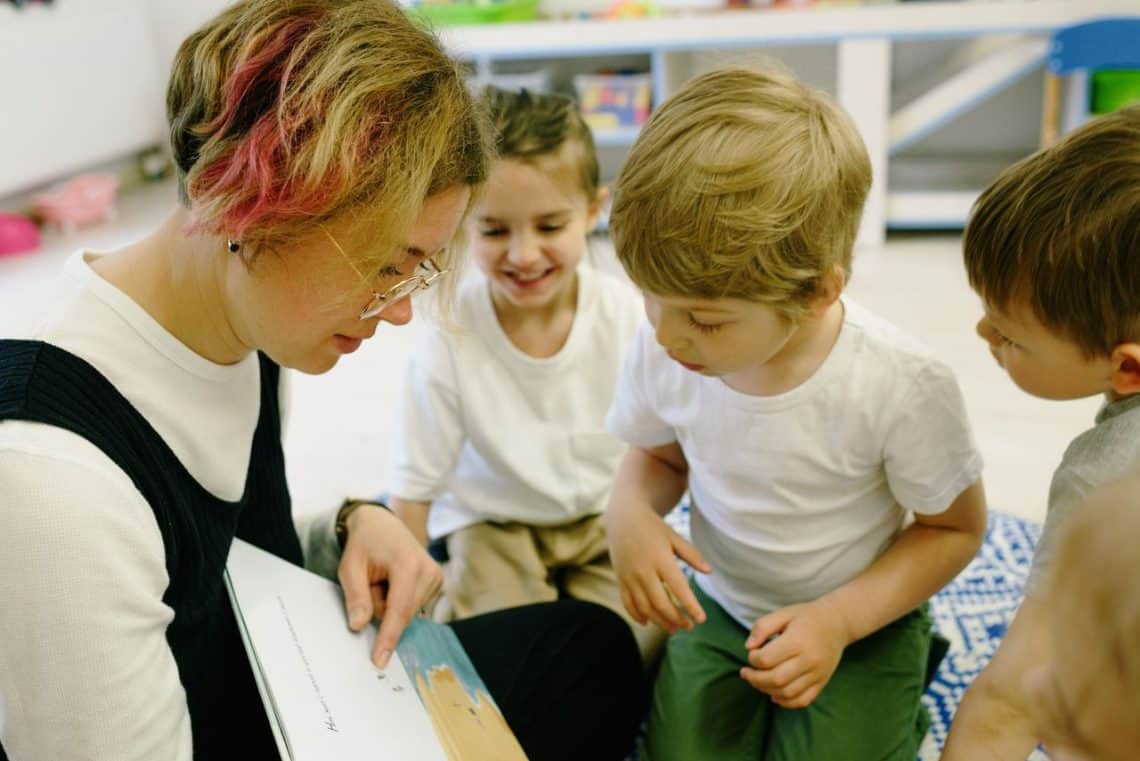
Children books play an important role in helping young readers discover the joy of reading while developing imagination, creativity, and curiosity. From colorful picture books to exciting adventure stories, books written for children introduce them to new ideas, characters, cultures, and experiences in an engaging way. Reading from an early age can become a meaningful habit that supports both learning and personal development.
One of the greatest benefits of children books is their ability to encourage imagination. A well-written story can transport children to magical kingdoms, distant planets, underwater worlds, or exciting forests filled with fascinating characters. As children follow these stories, they learn to visualize situations, imagine possibilities, and create their own ideas. This imaginative thinking can also support creativity in activities such as drawing, writing, building, and problem-solving.
Children books are also valuable tools for developing language skills. Regular reading exposes children to new words, sentence structures, and different ways of expressing thoughts and emotions. Parents and teachers can make reading more interactive by asking questions about the story, discussing unfamiliar words, or encouraging children to describe their favorite characters. These simple activities can help improve vocabulary, comprehension, communication, and confidence.
Another important benefit is emotional development. Stories often introduce children to characters who experience happiness, disappointment, friendship, fear, courage, and other emotions. By observing how characters respond to different situations, young readers can begin to understand their own feelings and recognize emotions in others. Stories about friendship, kindness, teamwork, and empathy can provide valuable lessons in a way that feels natural and enjoyable.
Children books can also introduce important educational concepts. Books about numbers, animals, nature, science, history, and everyday life can make learning more interesting. Educational stories combine information with entertainment, helping children understand new subjects without making learning feel like a formal lesson. Age-appropriate books can also encourage children to ask questions and explore topics beyond the classroom.
Choosing suitable children books depends on a child’s age, interests, reading ability, and personality. Younger children may enjoy books with large illustrations, simple words, and repetitive phrases, while older children may prefer longer stories with detailed characters and exciting plots. Allowing children to choose some of their own books can make reading more enjoyable and give them a sense of independence.
Parents can make reading a regular part of family life by setting aside a few minutes each day for shared reading. A comfortable reading corner, a consistent bedtime story routine, or a weekly visit to a library can help create positive associations with books.
Ultimately, children books are more than sources of entertainment. They can inspire imagination, strengthen language abilities, encourage emotional growth, and introduce children to valuable ideas. By making books a natural part of childhood, parents and educators can help young readers develop a lifelong appreciation for stories, learning, and discovery.